
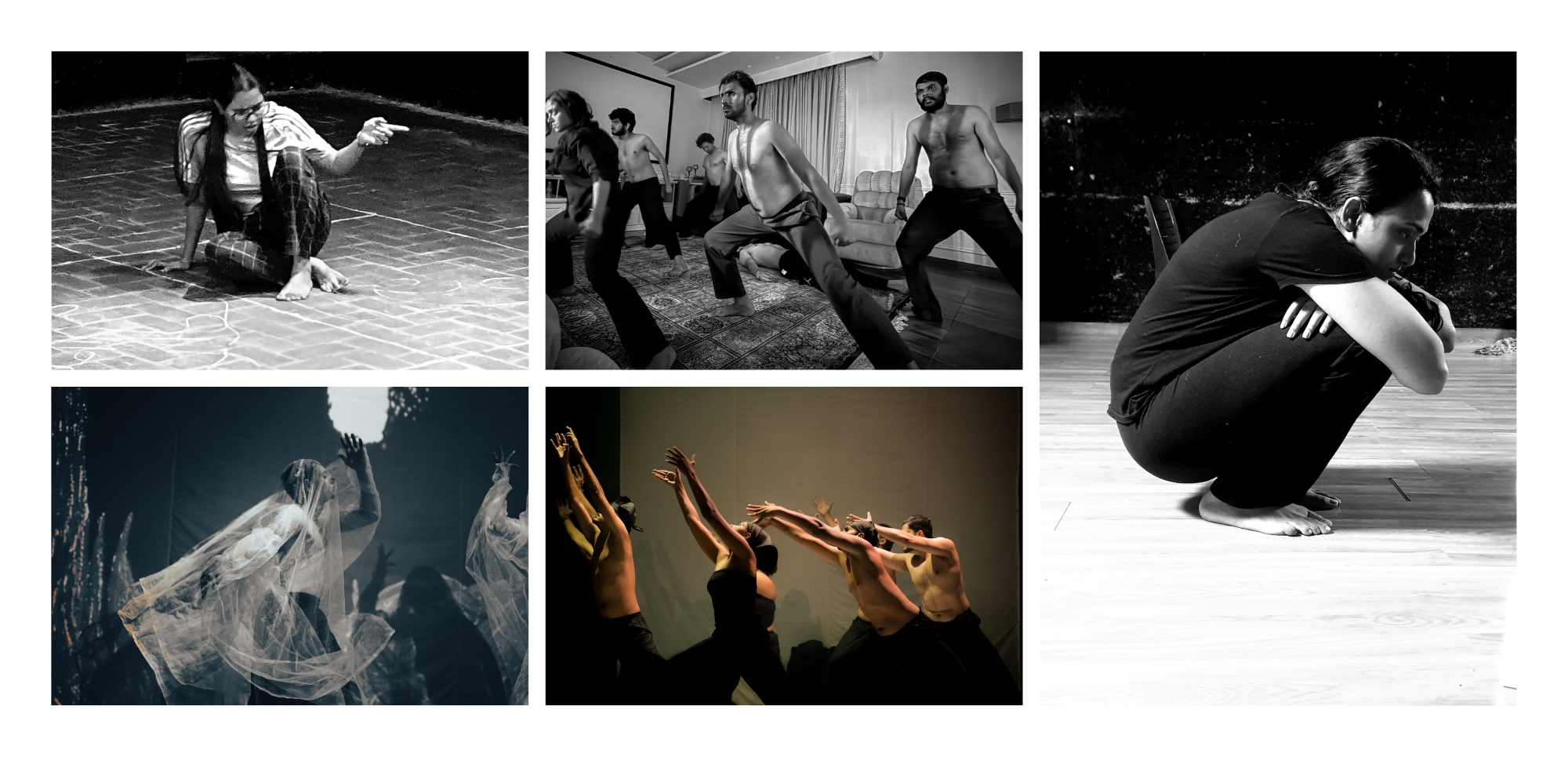
In a world moving at a frantic pace, finding moments of stillness and connection can feel like a challenge. Yet, we’ve discovered a powerful movement where art isn’t just a form of expression—it’s a path to inner peace. We believe that when artistic creation is infused with mindfulness, it transforms into a profound act of meditation and healing. This is the core of our work. Every stroke of a brush, every rhythm played, and every conscious gesture becomes an act of presence. It’s a practice that goes beyond aesthetics, allowing artists to channel complex emotions, release inner tensions, and translate their personal healing journey into a tangible, collective experience. We are part of a growing community that sees art not only as a medium of beauty but as a tool for awareness, resilience, and self-discovery. By creating and sharing this work, we invite both creators and audiences to pause, reflect, and reconnect with themselves. This movement is a testament to the idea that true art heals—it invites us to slow down, be present, and rediscover the wonder of our own inner landscapes. The practice of blending art with mindfulness offers several key benefits for both the creator and the observer: This artistic movement is not just about making beautiful objects; it is about creating a more beautiful way of living. It is a powerful invitation to see the world—and ourselves—with more intention, clarity, and compassion.
House of Happiness: A Beacon of Purpose and Wholeness
In a world increasingly defined by digital disconnection and existential anxiety, a new model of wellness is emerging. The House of Happiness, an initiative founded by Dr. Glenville Ashby and Nisha Luthra, stands as a profound response to the modern human condition. Its mission is not merely to treat symptoms of mental and emotional distress but to restore a fundamental sense of purpose, creativity, and connection to a life often stripped of its meaning. By offering a transformative practice called Chetna Synthesis, the House of Happiness provides an alternative to conventional, clinical approaches, suggesting that true healing is an artistic and deeply personal journey. The Modern Dilemma: A Crisis of Disconnection The mission of the House of Happiness is rooted in a keen observation of contemporary society. Technological advancement, while offering unprecedented convenience, has also precipitated a widespread sense of disaffection. As individuals navigate a landscape of constant change and information overload, traditional community structures and sources of meaning have eroded. The result, as the founders identify, is a global rise in hopelessness, anxiety, and depression. This is a crisis of spirit, where individuals feel emotionally vulnerable and spiritually displaced, succumbing to a “culture of fatalism” that stifles their potential. The House of Happiness was born from the conviction that this trend is not inevitable and can be counteracted through a deliberate, structured return to wholeness. The organization posits that conventional biomedicine, while essential for treating specific pathologies, often falls short of addressing the underlying psycho-emotional wounds of a disaffected populace. A pill can alleviate a symptom, but it cannot restore a sense of purpose or mend a broken connection to one’s own creativity. The House of Happiness seeks to bridge this gap, offering a modality that is not just therapeutic but restorative, treating the individual as a holistic being—mind, body, and spirit—in a way that traditional medicine is not designed to do. Our Vision: A Society of Balance and Authentic Expression The vision of the House of Happiness is both ambitious and deeply humanistic. It envisions a world where people can reclaim the “joy of living” by finding balance, self-awareness, and a capacity for authentic expression. It is a space designed for a diverse clientele, a sanctuary where everyone, from students and professionals to artists and spiritual seekers, can begin a journey of healing and transformation. The founders believe that a person’s well-being is intrinsically linked to their creative and spiritual life, and that when these elements are nurtured, the individual can flourish. The House of Happiness is more than a service; it is a philosophy, a community, and a guiding hand for those who feel lost. The core of this philosophy is the belief that therapy should not be a clinical, transactional experience. Instead, it should be a “lived experience of art, service, and communion with life.” This re-framing of the therapeutic process is what makes the House of Happiness a truly unique and compelling alternative in the wellness landscape. Chetna Synthesis: An Integrative Artistic Modality At the very core of the House of Happiness’s transformative work is Chetna Synthesis, a practice co-created by the founders, Dr. Glenville Ashby and Nisha Luthra. This modality is designed to be concise, adaptable, and accessible to everyone, regardless of their background or current emotional state. Unlike more rigid therapeutic models, Chetna Synthesis is a fluid, integrative practice that draws from five core pillars: The application of Chetna Synthesis is a highly personalized process. It begins with a comprehensive, one-hour intake session where the team works to identify the participant’s unique needs, goals, and aspirations. This dialogue is the foundation upon which a bespoke plan is built, which may include one-on-one sessions or group workshops. The programs are designed to be flexible, ranging from intensive, single-day workshops to one-month hybrid studies, ensuring that each individual’s journey is a custom fit. The Directors: Architects of a New Paradigm The philosophy and methodology of the House of Happiness are inextricably linked to the diverse and rich backgrounds of its co-creators, Dr. Glenville Ashby and Nisha Luthra. Their partnership is a true synthesis of academic rigor, global spirituality, and artistic expression. Dr. Glenville Ashby is a psychotherapist and scholar with a deep and multifaceted understanding of human wellness. His academic journey, spanning the University of the West Indies, Euclid University, and institutions in France and the U.S., has given him a global perspective on psychology and spirituality. He is a prolific author, known for works such as Anam Cara: Your Soul Friend and Bridge to Enlightenment and Creativity, which earned him the Literary Titan Award, and Finding Mother: Practical Spirituality East and West. His writings are celebrated as guides to spiritual living, blending Western psychological principles with Eastern and indigenous wisdom. Dr. Ashby’s spiritual path has been equally expansive, enriched by teachers from Asia, Africa, South America, and Europe, culminating in rare empowerments from Tibetan masters. This unique combination of academic knowledge and deep spiritual practice makes him a rare figure in the field of modern psychotherapy, someone who can speak to both the mind and the soul. Nisha Luthra brings a powerful artistic dimension to the partnership. As the founder and Director of The Narrators Performing Arts Society, she is a dynamic force in the world of theatre, film, and poetry. Her artistry is not merely for entertainment; it is a therapeutic tool, fusing sound, music, and movement to help individuals on a journey of self-discovery and healing. Her poetry collection, Uns, has resonated widely, a testament to her ability to communicate deep emotional truths. As a mental health practitioner, she expertly integrates psychodrama and theatre into her work, creating transformative spaces where individuals can explore and release emotional blocks, enabling them to embrace their authentic selves. Nisha’s work exemplifies the core principle of the House of Happiness—that art and wellness are not separate but are two sides of the same coin, each enriching the other. Together, Dr. Ashby and Nisha Luthra have created a synergy that is both intellectual and intuitive. They